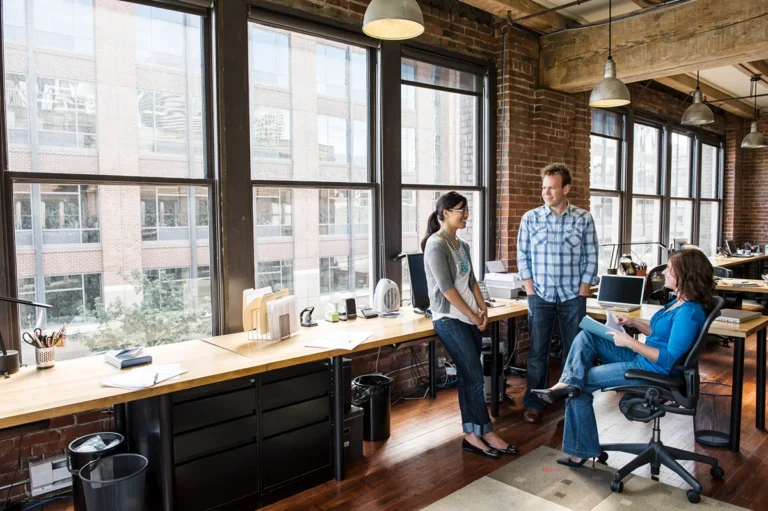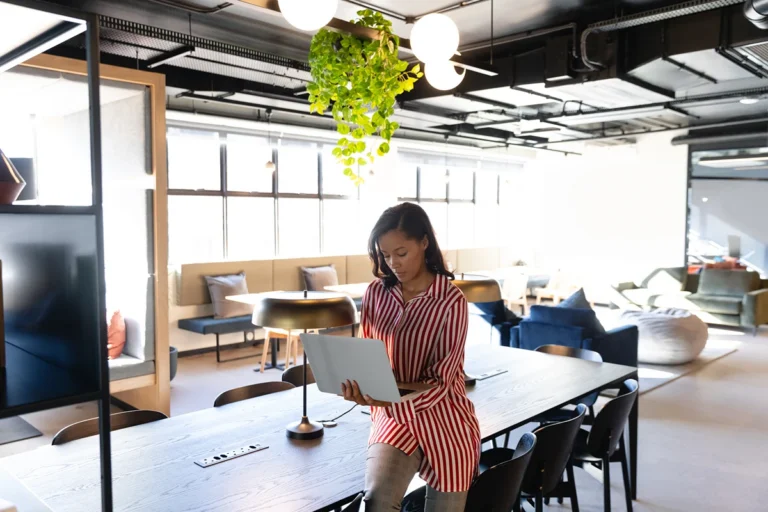
The best collaboration happens when teams can focus without unnecessary distractions. But in busy environments, conversations lose momentum as phones, notifications, and background noise break concentration. Knowing how to work without distractions is one of the most useful skills for any team worker. For teams with shared projects, maintaining focus helps keep discussions productive and projects moving forward.
In this blog, we’ll share practical collaboration tips you can put into practice straight away. We’ll also explore how dedicated desks and purpose-built meeting rooms can help create a more focused environment for better teamwork.
Why Working Without Distractions Matters for Collaborative Projects
Distractions are part of every workday. Leaving a webpage unrelated to work open, hearing background noise from a busy café, or receiving messages during a meeting can all make it harder to stay focused on the task at hand.
For collaborative work, the impact goes beyond individual productivity. When one team member is distracted, decisions take longer, discussions become less productive, and projects are more likely to fall behind. Clear, uninterrupted time allows teams to think more deeply, communicate more effectively, and make better decisions.
Practical Collaboration Tips for Working Without Distractions
Define the Scope Before You Start Working
Collaboration is much easier when everyone starts on the same page. When a team isn’t sure what needs to be delivered, people start repeating conversations and asking questions that should already have been answered.
Before beginning collaborative work, define the project’s objective, the deadline, and each person’s responsibilities. This reduces unnecessary back-and-forth throughout the project.
Reduce Interruptions With Clear Communication
Responding to every message as soon as it arrives can make it difficult to stay focused on collaborative work. Instead of expecting instant replies throughout the day, agree on regular times to respond to messages, such as the start, middle, and end of the working day.
Outside those times, team members can focus on their work with fewer interruptions, helping conversations and projects keep moving.
Give Every Meeting a Clear Agenda
Meetings are more productive when everyone knows what will be discussed before they begin. Without an agenda, conversations can drift off topic and important decisions are easily pushed aside. Sharing a written agenda in advance helps everyone come prepared, keeps the discussion focused, and makes it easier to get back to work once the meeting is over.
Balance Independent Work with Team Meetings
Teams don’t need to be in meetings all day to collaborate effectively. Set time aside for individual work, then use meetings to review progress, answer questions, and make decisions. Giving each activity its own time and place helps teams stay focused and make better use of their time.
Reduce Digital Distractions
During focused work sessions, put your phone on silent. Let your team know in advance when you will be unavailable, and respect the same boundaries when others need uninterrupted time. Building these habits across the team reduces unnecessary interruptions.
Clarify Roles and Responsibilities
Effective collaboration starts with clear responsibilities. When multiple people assume someone else is handling a task, work is delayed, duplicated, or overlooked. Assign each part of the project to a single team member so there is always one person responsible for driving it forward. Others can still contribute, but clear ownership keeps work moving and ensures nothing falls through the cracks.
Document Decisions as They Are Made
In collaborative work, one of the easiest ways for progress to slow down is revisiting decisions that were already made. When outcomes aren’t documented, teams often end up rehashing the same points.
Keeping a simple shared record of what was decided, why it was decided, and what happens next helps everyone stay aligned and move forward without repetition.
Choose the Right Environment for the Type of Work
Not all collaborative work requires the same setting. Collaborative work and brainstorming are best done in open, relaxed spaces where ideas can flow freely. Focused work is better suited to quiet areas with minimal distraction. Client presentations and planning sessions benefit from more structured, professional meeting spaces. Choosing the right space for the task helps teams stay focused and productive.
Hold Short, Purposeful Meetings
Short, focused meetings are more effective because they keep attention on what most needs to be decided or completed at that moment. If the same outcome can be achieved through a written update or a quick message, that is often the better option.
Review and Adjust as You Work
What works at the start of a project may not work later. Regularly check in on how things are going and make small adjustments as needed. This helps keep work moving smoothly without major changes later.
How Dedicated Desks Support Distraction-Free Collaboration
A consistent workspace reduces the time spent searching for a spot, setting up equipment, and adjusting each day. When people return to the same desk, their tools and workflow stay in place, and work can begin without any interruption.
Dedicated desks at The Factory offer a fixed workspace within a shared environment. Each desk provides individuals or teams with a stable place to work while remaining part of a larger collaborative space.
The workspace includes business-grade internet, 24/7 access, secure entry, plug-and-play workstations, and shared amenities, including a kitchen and breakout areas. For teams that work together regularly, a consistent workspace helps them stay focused on the work at hand.
How Meeting Rooms Reduce Distraction During Group Sessions
The environment where a team meets plays an important role in how productive the session will be. A meeting held in a noisy or poorly equipped environment will struggle to achieve its objectives, regardless of how well it is structured.
The Factory’s meeting rooms create a focused, professional setting for collaboration. Each room is purpose-built for modern work, with high-definition video conferencing tools, large-format displays, high-speed internet, and comfortable seating.
Rooms are available on an hourly, half-day, or full-day basis, giving teams the flexibility to book only the time they need.
Key Takeaway
Knowing how to work without distractions in a collaborative setting requires clear distribution of responsibilities, well-structured communication, and an environment that supports focus.
If your team needs a professional base for focused work and productive collaboration, explore The Factory’s dedicated desks and fully equipped meeting rooms today. Contact us to book a personalised tour.